What inspired you to pursue your career, and when did you first realise this was your calling?
I always had music in the house. There has never been a point in my life without the gift of music, and for that I am so grateful. My dad would teach me piano before I could even speak, and my mum raised me with the freedom of singing whenever you like. She would burst into song about just about anything, and I would answer her in my singing voice.
It made me feel understood and brought small moments of joy and comfort throughout my days as a young girl. Fairly quickly that transformed into a deep understanding and love for music. As I grew older, I realised music wasn’t just something I enjoyed — it was the way I processed the world around me. That’s when I knew it wasn’t just a hobby, it was something I wanted to dedicate my life to.
Who has been a role model or mentor in your journey, and what is the most powerful lesson they taught you?
Female-led bands and artists were a huge inspiration for me growing up — artists like Ann and Nancy Wilson from Heart, Stevie Nicks, and Alanis Morissette. They showed me that women in the music industry don’t have to present themselves as polished or palatable to be successful. The most powerful lesson I took from them was that honesty and authenticity is more important than being perceived as perfection.
What’s been your biggest challenge that you’ve overcome?
When I was 16, I was diagnosed with vocal paresis. It’s a vocal disorder where one of my vocal folds is weaker due to partial loss of nerve function. I remember my ENT explaining that the longer there was no improvement, the less likely it was that the nerves would regenerate. The entire process was extremely testing for my love of music. It felt like a sign that maybe I should stop. At 16, I had to make one of the biggest career decisions before I had even left high school.
I decided to keep going with music, and in fact to immerse myself even deeper in it. Two years later I left school and started my bachelor’s degree in contemporary music and never looked back. My vocal issues are still present, and I’m very aware of my limits and when I need to look after myself, but all of it has been 100% worth it. I’m not sure where I would be today if I had walked away from music after my diagnosis.
What is your favourite part about working in the music industry or being a musician?
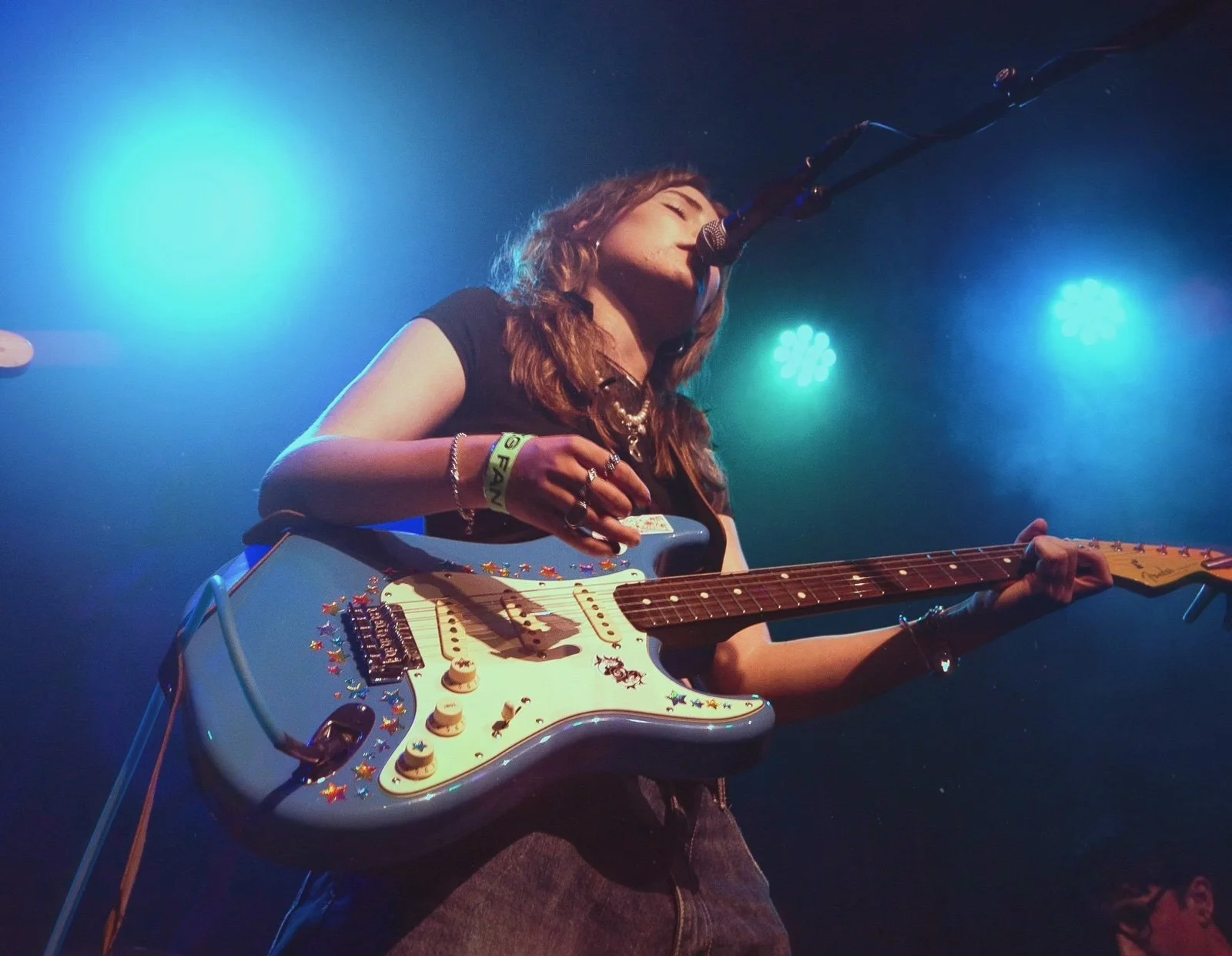
The live moments, always. Being able to communicate through song to a room full of people is what makes music so powerful. There’s something really special about sharing an emotional experience with an audience in real time. For a few minutes, everyone in the room feels connected to the same story.
What’s one piece of advice that you wish you had when you started out?
I wish someone had told me that it’s okay to take up space as an artist. When you’re starting out, it’s easy to second-guess yourself or hold back because you feel like you need more experience or approval first. But a lot of growth comes from simply putting yourself out there — sharing your work and taking opportunities. In the modern day of social media, self promotion is more accessible than ever before! Use that to your advantage, you can find and build your unique audience that loves the music you love to make!
What would you tell your 10-year-old self?
I would tell her that the things she feels so deeply are not a weakness — they’re the foundation of her creativity. Keep writing songs in your bedroom, keep being curious about the world, and don’t be afraid of feeling things strongly. One day those feelings will become music that helps other people feel understood too.